
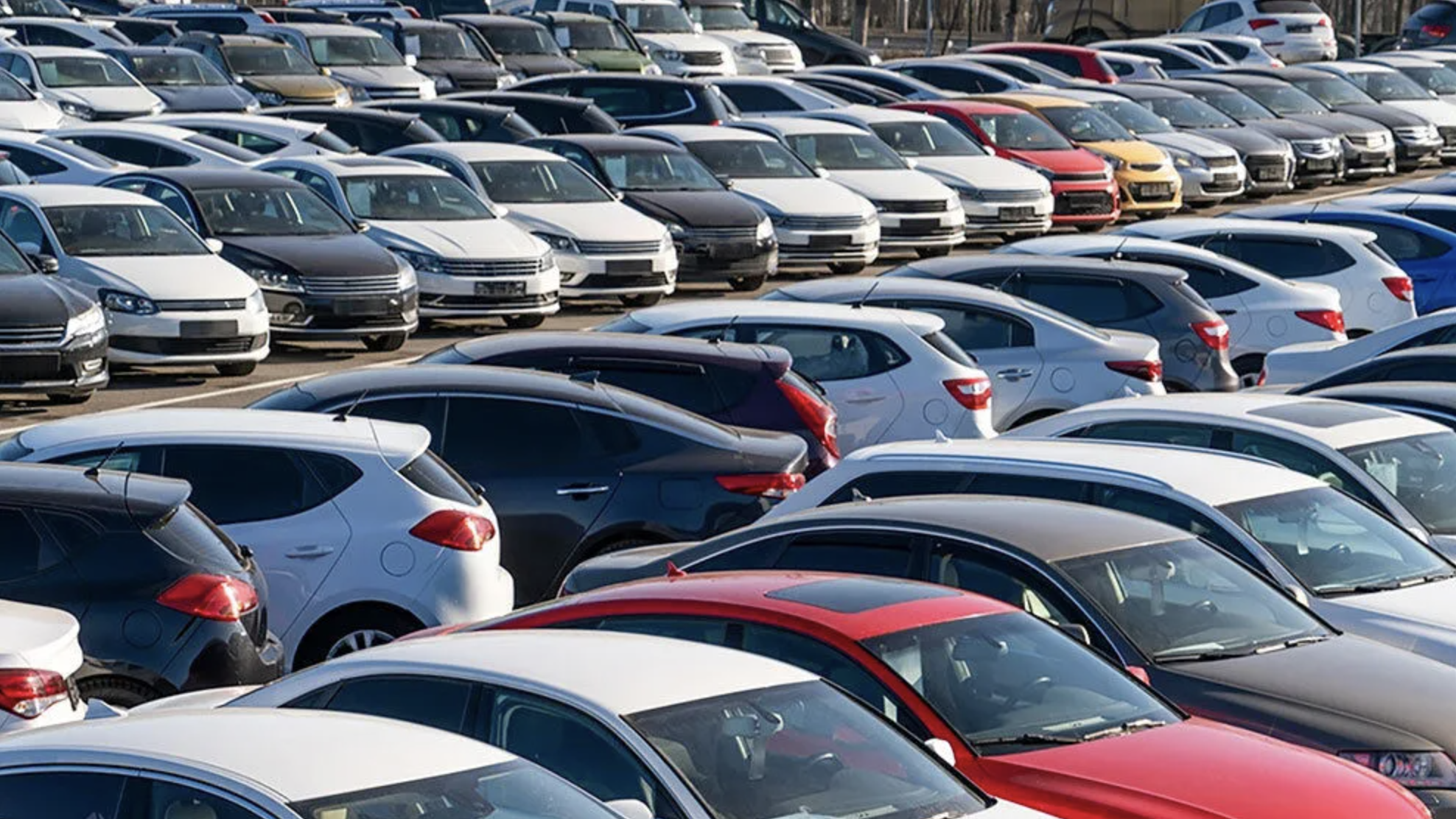
Nigeria stands as Africa's most populous nation and one of the continent's largest automobile markets. With over 200 million people and a growing middle class, the demand for personal and commercial vehicles continues to rise year after year.
Whether you're a first-time buyer, an experienced driver looking to upgrade, or simply curious about the Nigerian automotive landscape, this guide covers everything you need to know about cars in Nigeria.
The Nigerian Automobile Market: An Overview
The Nigerian car market represents a unique blend of new vehicle sales, imported used cars (commonly called "Tokunbo"), and locally assembled vehicles. Lagos, Abuja, Port Harcourt, and Kano serve as the primary hubs for automobile commerce, with thousands of dealerships, car lots, and individual sellers operating across these cities.
Nigeria imports the vast majority of its vehicles, with used cars accounting for a significant portion of total sales. This reliance on imports has shaped consumer preferences, pricing dynamics, and the overall structure of the automotive industry in the country.
Most Popular Car Brands in Nigeria
Toyota
Toyota dominates the Nigerian market like no other brand. The Japanese automaker has built a reputation for reliability, durability, and low maintenance costs—qualities that resonate strongly with Nigerian drivers who often face challenging road conditions and limited access to specialized mechanics.
Popular Toyota models in Nigeria include:
- Toyota Camry: Often called the "big daddy" of Nigerian roads, the Camry remains a status symbol and practical family sedan
- Toyota Corolla: Affordable, fuel-efficient, and widely available, making it perfect for daily commuting
- Toyota Hilux: The go-to pickup truck for businesses, government agencies, and individuals in rural areas
- Toyota Land Cruiser: Preferred by executives, politicians, and those who need a rugged luxury SUV
- Toyota RAV4: Growing in popularity among young professionals seeking a compact SUV
Honda
Honda holds the second spot in Nigerian consumer preferences. Known for engineering excellence and smooth driving experiences, Honda vehicles appeal to drivers who prioritize comfort and performance.
Key Honda models popular in Nigeria:
- Honda Accord: A direct competitor to the Camry, favored for its sporty feel
- Honda Civic: Popular among younger drivers for its sleek design
- Honda CR-V: A family-friendly SUV with excellent resale value
- Honda Pilot: Larger SUV option for those needing more passenger space
Mercedes-Benz
Mercedes-Benz represents luxury and prestige in the Nigerian market. While not as common as Toyota or Honda due to higher prices and maintenance costs, Mercedes vehicles remain aspirational purchases for many Nigerians.
Other Notable Brands
- Lexus: Toyota's luxury division enjoys strong demand, especially the RX and ES models
- Hyundai: Gaining market share with affordable new vehicles
- Kia: Popular for budget-conscious buyers seeking new cars
- Peugeot: Historic presence in Nigeria with local assembly operations
- Innoson: Nigeria's indigenous automaker producing buses, trucks, and SUVs
New Cars vs. Tokunbo: Making the Right Choice
One of the most important decisions Nigerian car buyers face is choosing between brand-new vehicles and foreign-used (Tokunbo) options.
Advantages of Buying New Cars
Purchasing a new vehicle in Nigeria offers several benefits:
- Full warranty coverage from the manufacturer or authorized dealer
- Complete service history that you control from day one
- Latest safety features and technology
- Financing options through banks and dealerships
- No hidden mechanical issues from previous owners
However, new cars come with significantly higher price tags and faster depreciation in the first few years.
Benefits of Tokunbo Vehicles
Tokunbo cars remain the preferred choice for most Nigerian buyers due to:
- Lower purchase prices compared to new equivalents
- Better value for money when buying recent model years
- Proven reliability (the car has already demonstrated it works)
- Slower depreciation since major value loss already occurred
- Wider selection of makes, models, and features
The key to successful Tokunbo purchases lies in thorough inspection, verification of accident history, and buying from reputable dealers.
Where to Buy Cars in Nigeria
Major Car Markets
Nigeria has several renowned automobile markets where buyers can find extensive selections:
Lagos:
- Berger Auto Market
- Trade Fair Complex
- Ikeja Car Mart
- Lagos Island car dealerships
Abuja:
- Wuse Zone car markets
- Garki automobile dealerships
- Jabi car lots
Port Harcourt:
- Mile 1 and Mile 3 markets
- Trans Amadi car dealerships
Authorized Dealerships
For new vehicles, authorized dealerships offer the most reliable purchasing experience:
- Toyota Nigeria Limited
- Honda Place
- Coscharis Motors (BMW, Ford, Jaguar Land Rover)
- Massilia Motors (Peugeot)
- Stallion Group (Honda, Hyundai)
Online Platforms
Digital car buying has grown significantly in Nigeria, with platforms offering convenience and wider reach:
- Carloaded.com
- Cars45
- Autochek
- Jiji (cars section)
- Cheki Nigeria
- Facebook Marketplace
Car Prices in Nigeria
Car Financing Options in Nigeria
Several financing options exist for Nigerians looking to spread their car purchase over time:
Bank Auto Loans
Major Nigerian banks offer vehicle financing:
- Access Bank Auto Loan
- GTBank Auto Finance
- Zenith Bank Car Loan
- First Bank Auto Loan
- UBA Auto Finance
Requirements typically include:
- Steady employment or business income
- Bank statements (6-12 months)
- Valid identification
- Proof of residence
- Down payment (usually 20-40%)
Dealer Financing
Some dealerships partner with financial institutions to offer in-house financing, often with competitive rates and faster approval processes.
Hire Purchase
This arrangement allows buyers to use the vehicle while making payments, with full ownership transferring after completing all installments.
Cost of Car Ownership in Nigeria
Beyond the purchase price, prospective car owners should budget for ongoing expenses:
Fuel Costs
With fluctuating petrol prices and Nigeria's traffic conditions, fuel represents a significant monthly expense. Smaller, fuel-efficient vehicles offer advantages in this regard.
Insurance
Third-party insurance is mandatory in Nigeria, while comprehensive coverage provides better protection. Annual premiums vary based on vehicle value and coverage type.
Maintenance and Repairs
Regular servicing, oil changes, tire replacements, and unexpected repairs add up over time. Japanese vehicles generally offer lower maintenance costs due to widespread parts availability and mechanic familiarity.
Vehicle Registration and Documentation
Costs include:
- Vehicle registration
- Proof of ownership
- Road worthiness certificate
- Vehicle license renewal
- Hackney permit (for commercial use)
Importing Cars to Nigeria
Many Nigerians import vehicles directly from countries like the United States, Canada, and the United Kingdom. Key considerations include:
Import Duties and Taxes
Nigeria imposes significant duties on vehicle imports:
- Import duty (varies by vehicle type)
- Value Added Tax (VAT)
- ECOWAS Trade Liberalization Scheme levies
- Port charges and clearing fees
Age Restrictions
Nigeria has restrictions on importing vehicles above certain ages, though enforcement varies. Newer vehicles generally face fewer import complications.
Choosing Reliable Shipping Agents
Working with established shipping and clearing agents helps avoid delays, hidden charges, and documentation problems at Nigerian ports.
Driving Conditions and Road Safety
Nigerian roads present unique challenges that influence vehicle choice:
Urban Driving
Cities like Lagos feature heavy traffic congestion, making fuel efficiency, automatic transmission, and comfortable interiors important considerations.
Rural and Interstate Travel
Highway driving and rural roads require vehicles with good ground clearance, robust suspension, and reliable performance over long distances.
Security Considerations
Vehicle security features—including tracking devices, immobilizers, and sturdy locks—help protect against theft, which remains a concern in certain areas.
The Future of Cars in Nigeria
Several trends are shaping the future of Nigeria's automotive sector:
Local Vehicle Assembly
Government policies encouraging local assembly have attracted manufacturers to establish Nigerian operations, potentially reducing prices and creating jobs.
Electric Vehicles
While still nascent, electric vehicle interest is growing, with charging infrastructure slowly developing in major cities.
Ride-Sharing and Mobility Services
Platforms like Uber, Bolt, and local alternatives are changing how Nigerians think about transportation, influencing both vehicle purchases and urban mobility patterns.
Stricter Import Regulations
Potential policy changes regarding vehicle age limits and emission standards may reshape the used car import market in coming years.
Tips for First-Time Car Buyers in Nigeria
If you're purchasing your first vehicle in Nigeria, consider these recommendations:
- Set a realistic budget that includes purchase price plus six months of ownership costs
- Research thoroughly before visiting any market or dealership
- Inspect vehicles carefully or hire a trusted mechanic for pre-purchase inspection
- Verify documentation including customs papers, proof of ownership, and registration
- Negotiate confidently but fairly—prices are rarely fixed
- Consider resale value when choosing between similar options
- Start with reliability over luxury for your first car
- Buy what you can afford rather than stretching your finances
Conclusion
The Nigerian car market offers tremendous variety for buyers at every budget level. Understanding your needs, researching your options, and making informed decisions will help you find the perfect vehicle for Nigerian roads. Whether you choose a brand-new sedan from an authorized dealership or a well-maintained Tokunbo SUV from a trusted seller, the right car can transform your mobility and quality of life.
As Nigeria's economy continues to develop and its automotive sector evolves, the options available to car buyers will only expand. Stay informed about market trends, maintain your vehicle properly, and enjoy the freedom that car ownership brings in Africa's largest automobile market.


